


 Tech
Tech

 Images By THE AUTHOR
’ll admit, as much as I love retaining factory steering columns in 1940s-50s pickups, when an independent front suspension swap has been done, it’s not always the easiest—or the best—solution. Case in point: my 1948 Chevy.
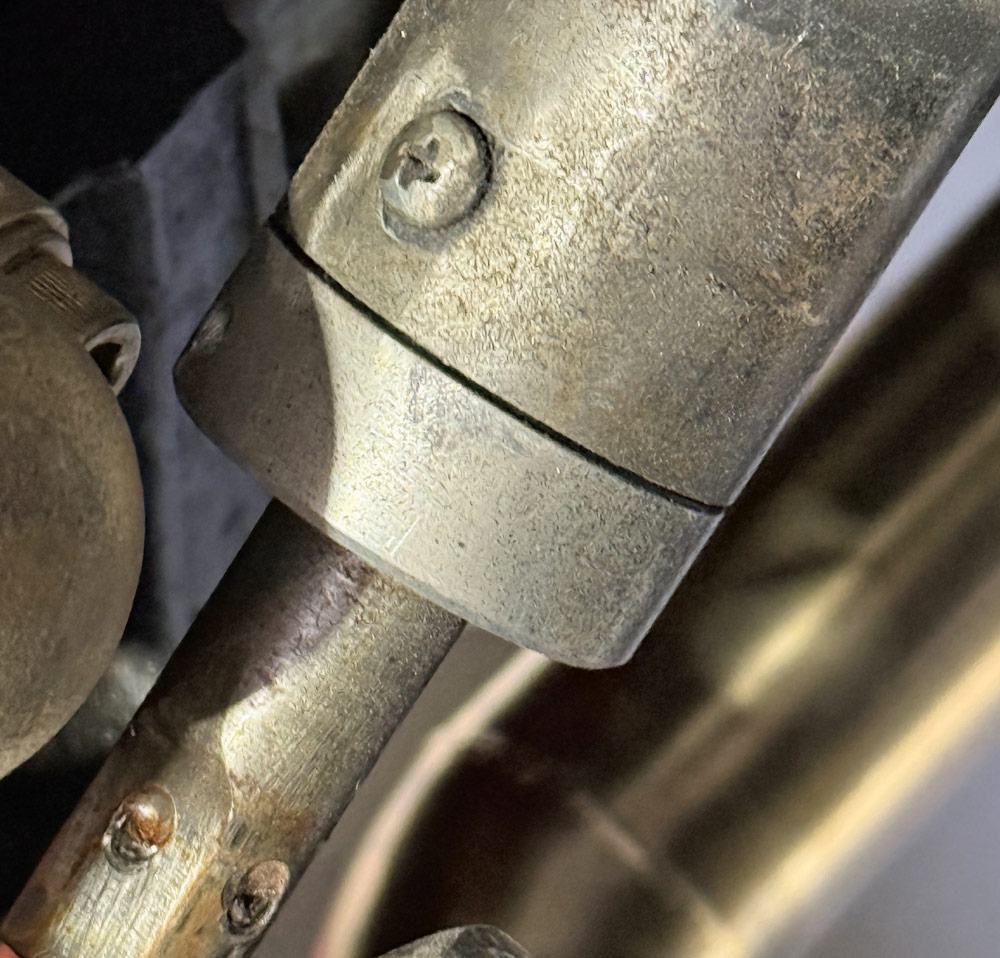
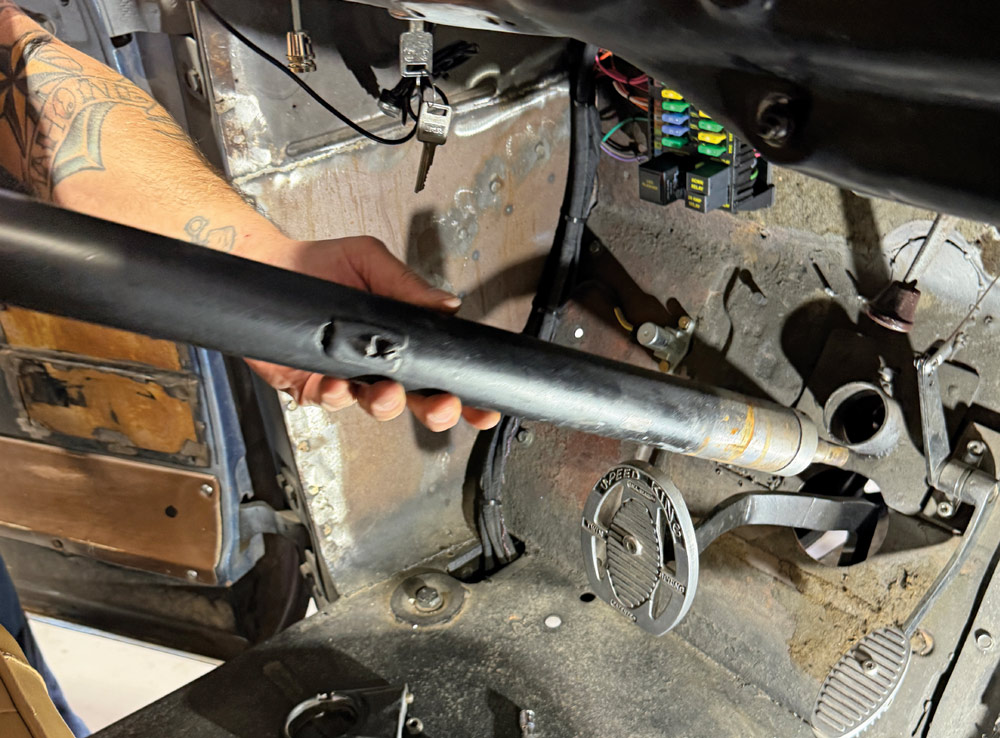
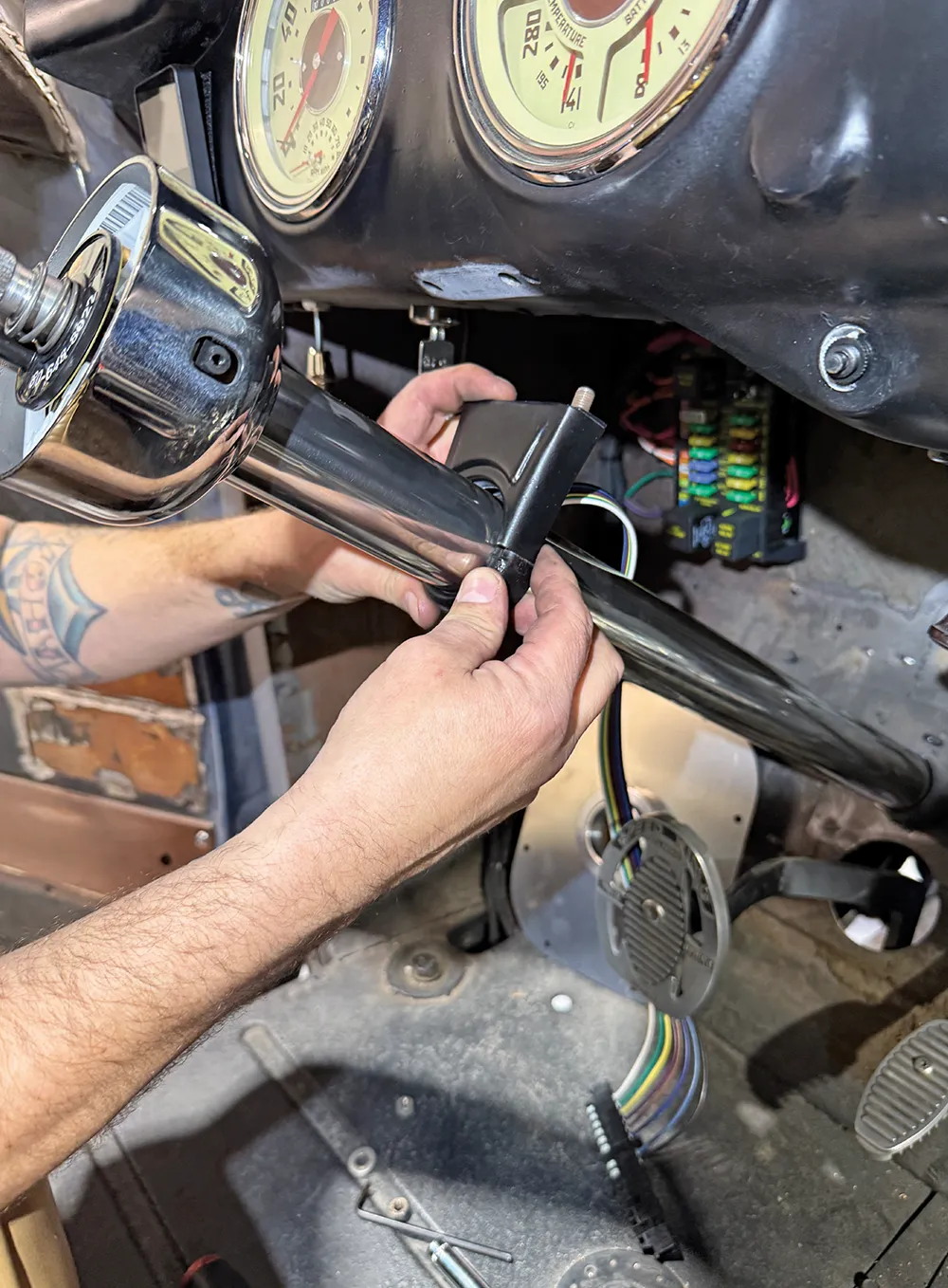
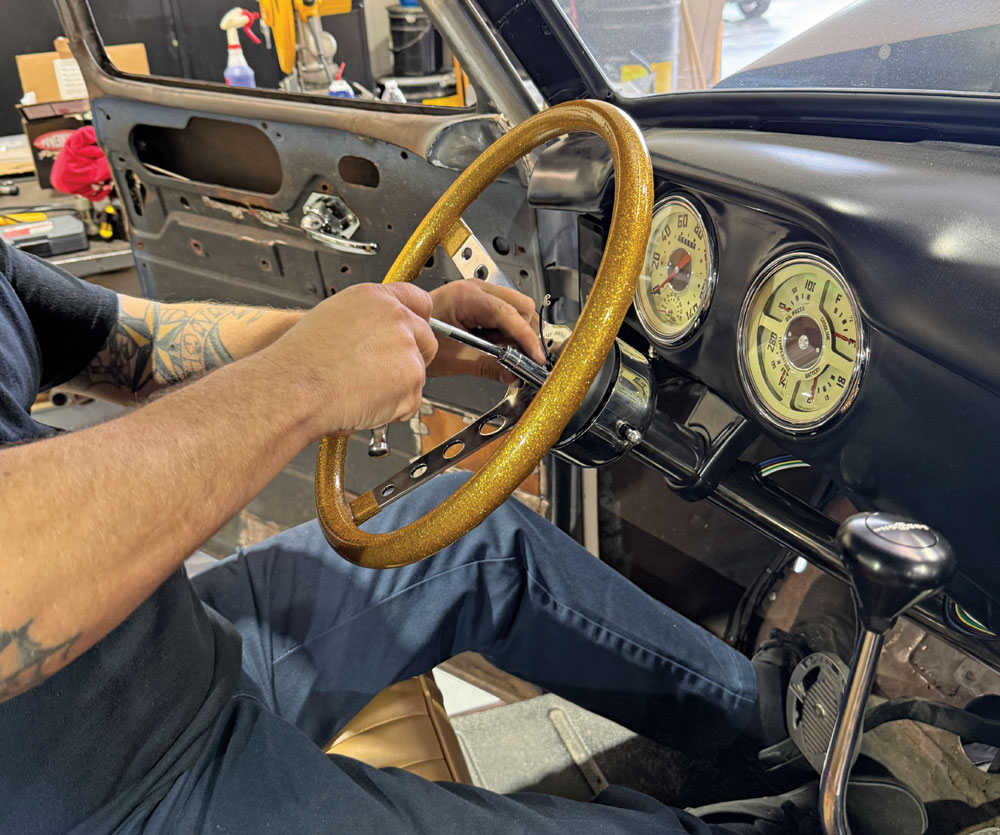
When I received the truck, it had (and still has) an earlier Mustang II–type aftermarket IFS—actually, the entire front frame section was replaced. However, the stock non-shift column had been retained and modified to adapt with the manual rack-and-pinion. With a hand-filed DD on one end (with a homemade “column saver” that kind of did its job) and a blown-out mast jacket on the other, let’s just say it was rather sloppy, but more so, potentially dangerous. Because it was a “truck” column, I was unable to use any of the early GM factory steering wheels with a tall centersection due to the shorter stick out of the steering shaft (or so I believe—I may be wrong on the car versus truck column, but I do know none of my ’40s Chevrolet deluxe wheels fit!). So, my initial plan was to source a decent stock replacement, rebuild, and modify accordingly with a CPP Column Saver. That was until Ryan Manson and I wrapped up the American Autowire harness install and realized the importance of the dangling GM column plug with nothing in which to attach to!
Without a GM steering column, my truck would be without turn signals/hazard lights and a horn. Now, while I don’t really care much about having hazards, here in Southern California both turn signals and a healthy horn are a must! So, onto Plan B with the steering
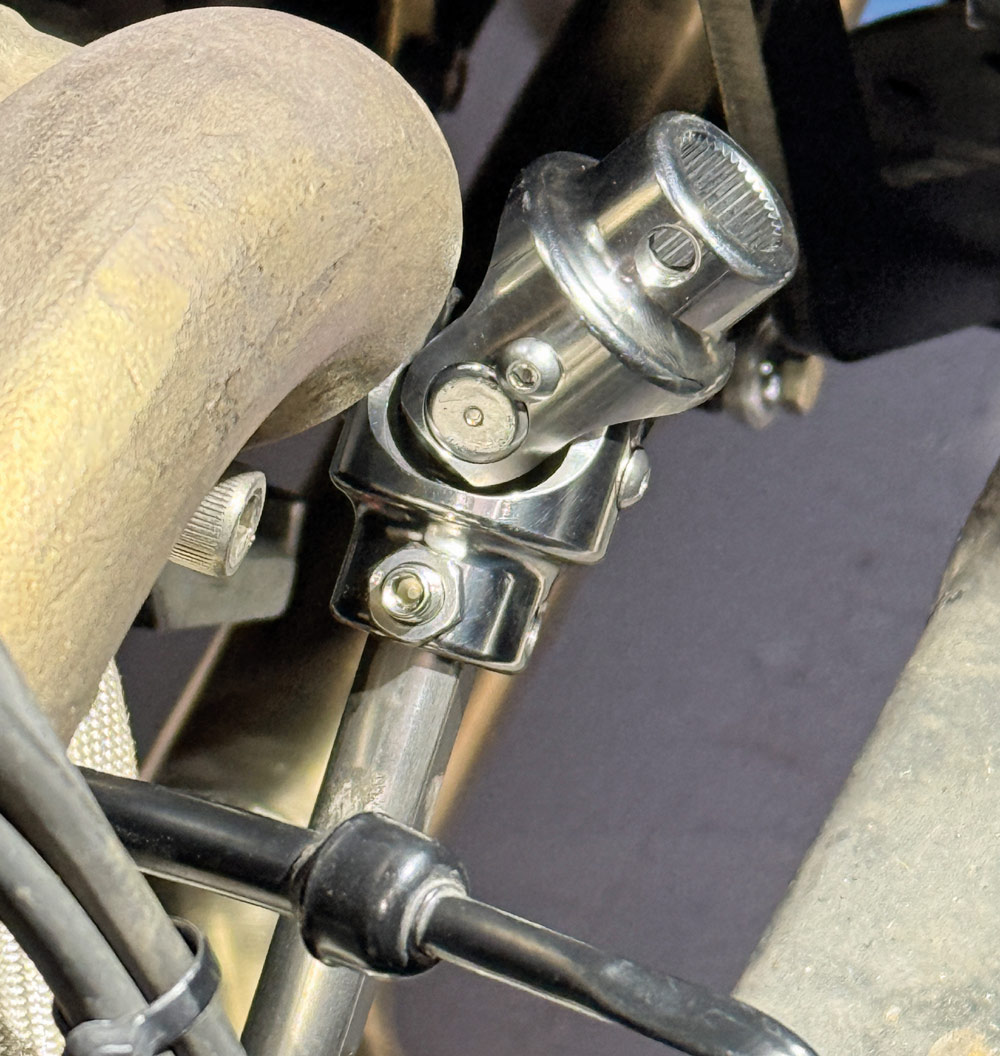
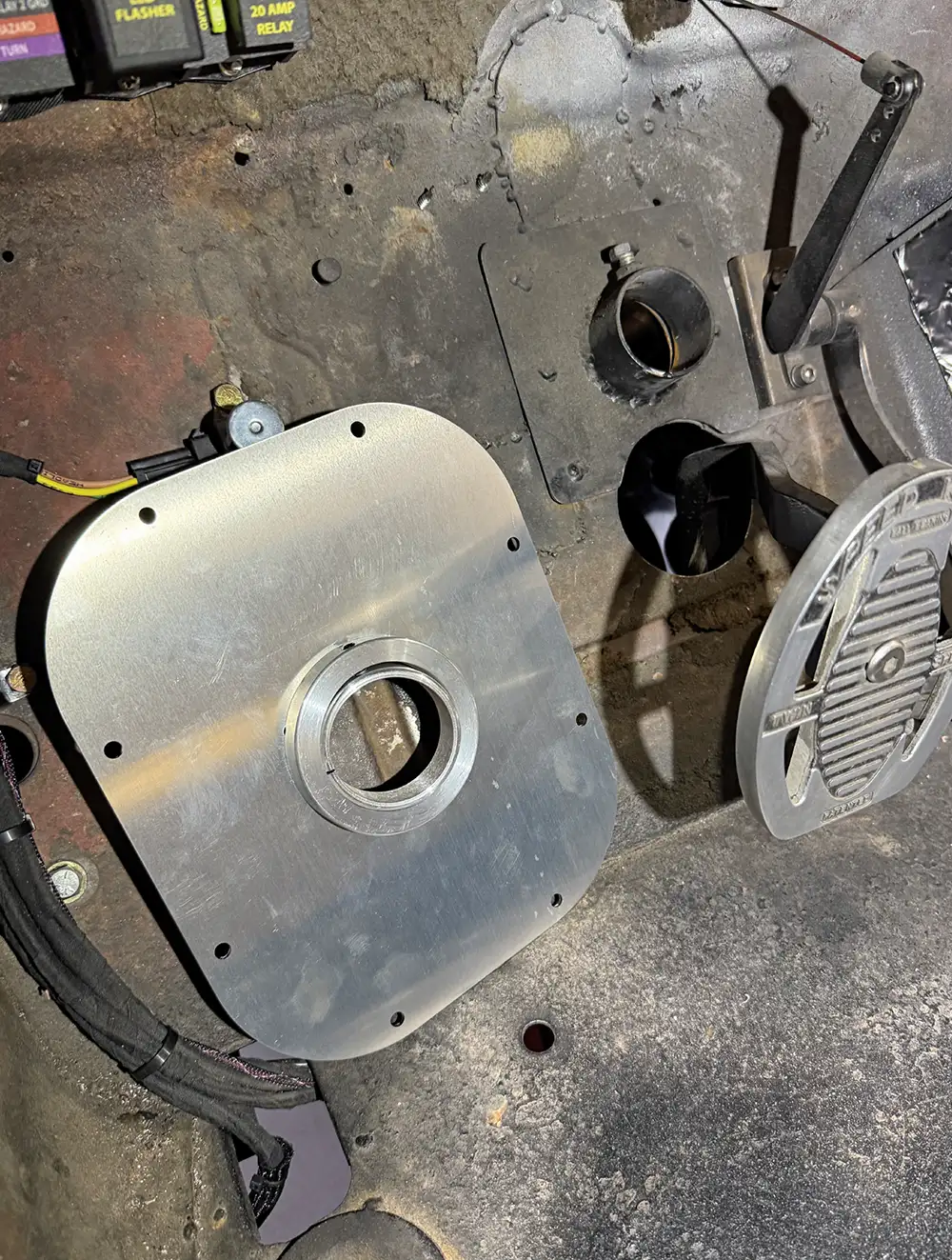
For the install, we (Ryan Manson and I) also ordered a length of polished 3/4-DD shaft with a 3/4-DD x 3/4-36 polished U-joint to complete the connection with the existing manual steering rack. Also, for reference purposes, even though we ended up having to retain the stock column drop and fabricated toeboard mount, Flaming River supplied a universal-swivel floor plate as well as a polished 2.5-inch adjustable column drop.









 SOURCE