

 Tech
Tech
 IMAGES BY THE AUTHOR
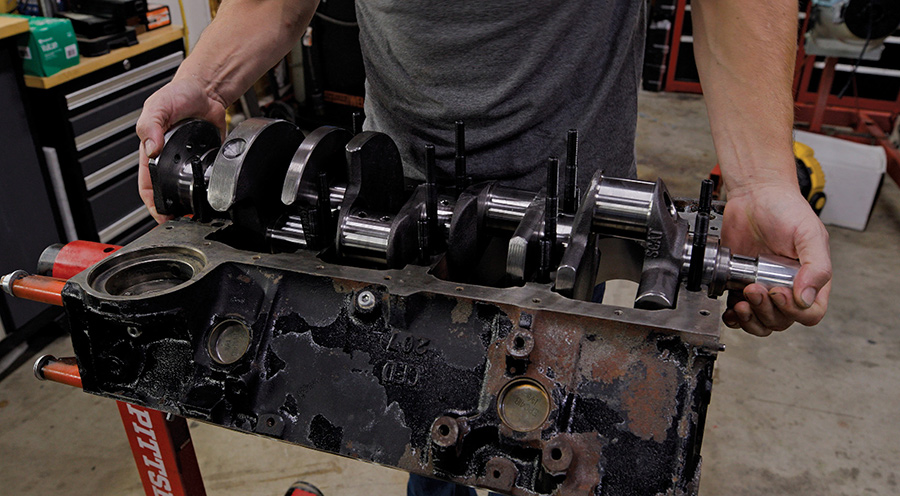
ainting an assembled engine block can be a tedious task with all the masking involved to prevent unwanted components from being coated and items like pulleys and/or dampers preventing access to certain areas of the block. I’ve always preferred to paint the bare block, heads, and intake before assembly begins so that all the detailed areas can be easily covered. Sometimes, the condition of the engine upon arrival is out of our hands and we have to make do with what we’ve got.
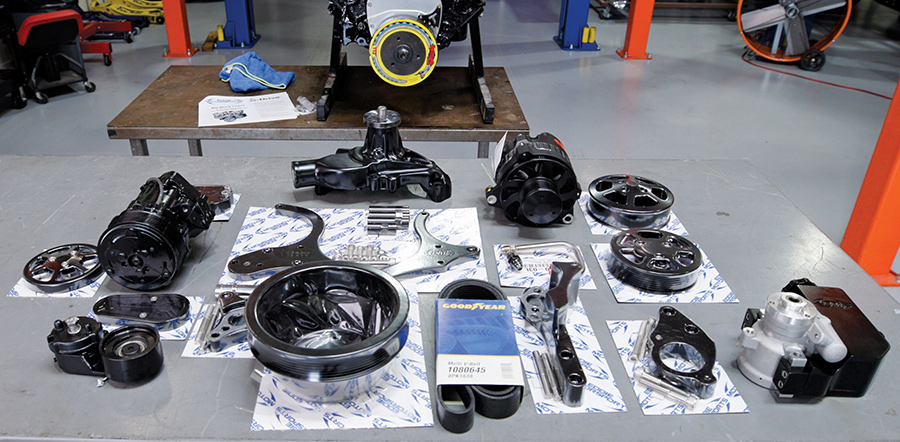
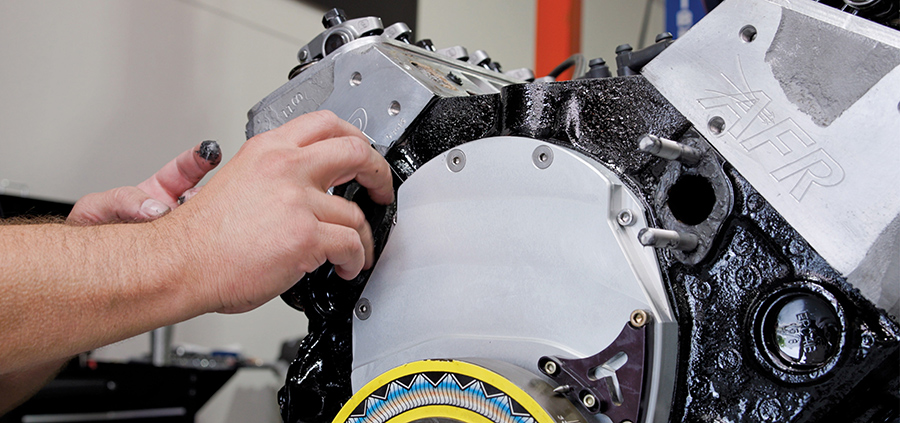
We found ourselves in just such a situation recently, as an assembled long-block Chevy engine arrived at the In The Garage Media Tech Center, bound for one of many of our magazine builds. The engine was freshly rebuilt by our buddy Evan Perkins of Westech Performance and it was decided that lest we disrupt the otherwise leak-free performance of the timing cover and oil pan, we’d simply mask off what we didn’t want painted and hit the rest. The block had been hot tanked prior to machining and assembly, so it would be a simple manner of wiping things clean with Acetone before proceeding.
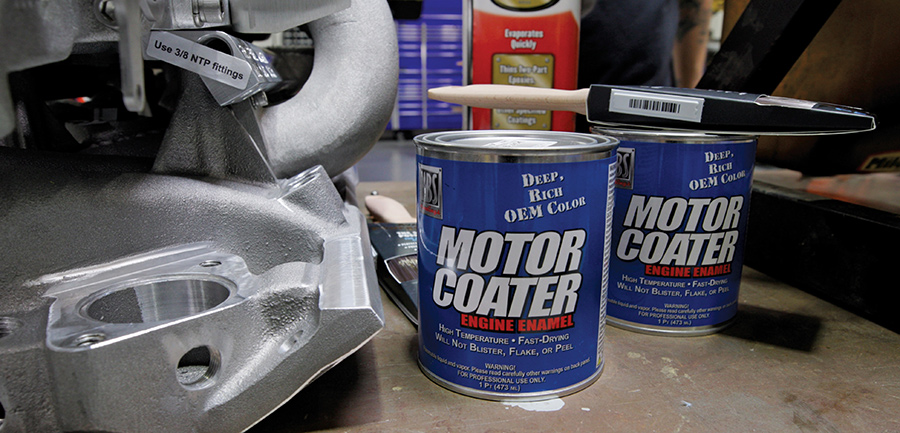
Motor Coater is easy to apply and offers superb coverage. Its special formulation makes for a self-leveling quality, allowing it to be applied by both spray and/or brush methods, with either result being equally impressive. The resulting finish is tough, durable, and resistant to heat and chemicals thanks to its ceramic resin system. Motor Coater is also an incredible exterior grade coating, exhibiting excellent resistance to discoloration, chalking, or fading with UV stability.
With a myriad of color options, including nearly every OE color, Motor Coater is a great option for engine finishing, whether it be a bare block destined for a new build or to dress up an existing powerplant, in situ.