

 Tech
Tech

 Images BY The Author
hen it comes to building a custom classic truck, it’s become pretty standard fare to relocate the fuel tank from inside the cab to somewhere else. Typically, this means somewhere out near the back of the truck, under the bed. Most installations are pretty straight forward, as the aftermarket has done a pretty good job providing a plug-and-play solution for most OE setups, provided you’re not against giving up the spare tire mount, and so on. But some situations, such as our 1964 Chevy C10, requires a more “outside the box” approach.
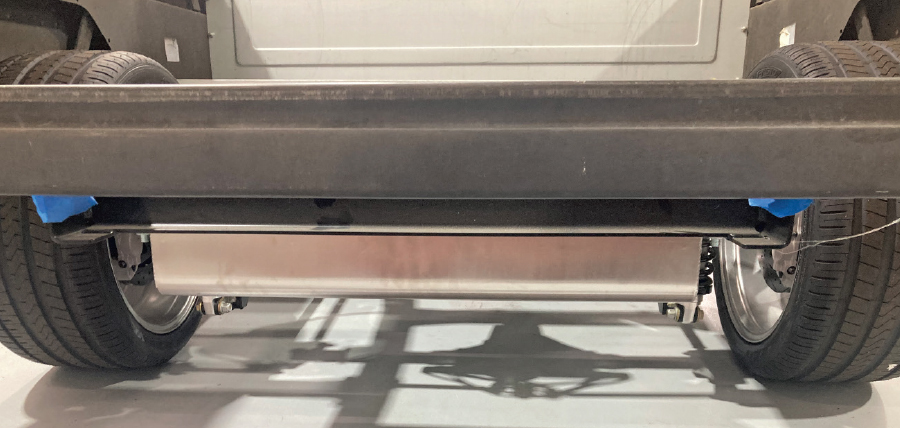
While it is possible to purchase what is essentially a bolt-in option for these trucks that relocate the tank out back, our ’64 has previously received a rear suspension upgrade in the form of a KP Components rear frame clip. The resulting difference in rear crossmember locations gave us plenty of room to put a tank, but it would more than likely have to be a one-off affair. With the help of the guys over at Rick’s Tanks in El Paso, Texas, however, it’s a simple manner of taking a few measurements and sending them off to the masters of stainless.
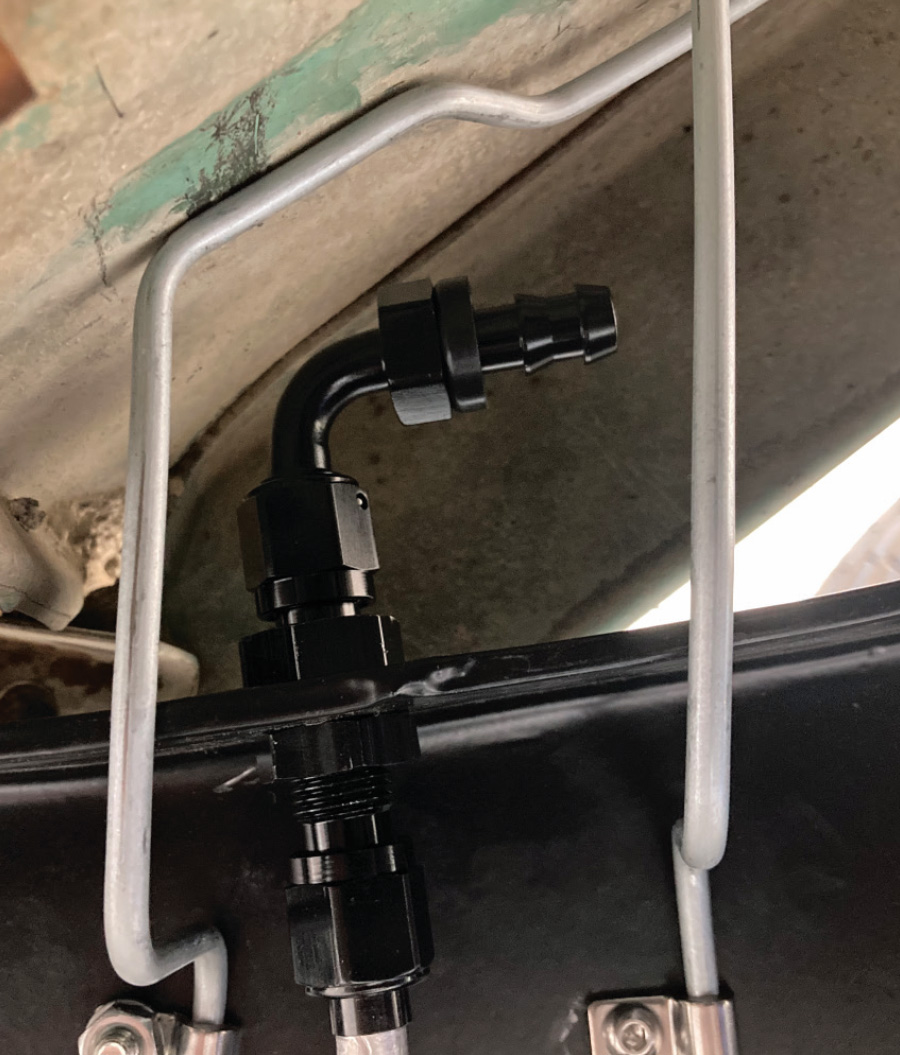
But in addition to moving the tank to an arguably safer and more convenient location, fabricating a custom tank from scratch gives us, the builder, full control of where we would prefer the filler neck, fuel pump, sending unit, vent, and so on. It also allows us to design a tank that mounts in the manner of our preference (from below the frame in this case) for ease of accessibility. A custom tank from Rick’s isn’t simply a box with a few components, but a fully baffled and thought-out component custom built for ultimate performance and reliability. Since we’ll be running a fuel-injected LS engine, it also allowed us the option to spec out the fuel pump, in our case giving us the ability to use an OE 2022 Chevy Camaro electric fuel pump, mounted in the tank with built-in regulator and internal return. This results in a pump that operates efficiently and quietly, increasing the lifespan as well as driver/passenger comfort, while the internal regulator with return negates the need to run an additional line from the return side of the fuel log and back to the tank.
So, if you’re putting together a hit list for the fuel system on your latest build, take a close look at the components we’ll be using and the companies involved and see if they have something that might fit your needs. Whether it’s an OE rebuild or a full custom build, there’s never a reason to sacrifice safety or performance for inferior parts!